

Alisha Brophy & Scott Miles: United States of Fuckin' Awesome
Alisha and Scott won their Fellowship in 2014. This is their Academy Nicholl entry script.

Gabrielle Burton: "The Imperial Waltz"
Gabrielle won the Fellowship in 2000. This is Gabrielle’s Academy Nicholl entry script.

Will Chandler: Cyrano of Linden View
Will received the Fellowship in 1996. This is Will’s Academy Nicholl entry script.
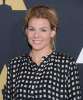
Elizabeth Chomko: What They Had
Written and directed by Elizabeth Chomko (in her feature directorial debut) and starring Hilary Swank, Michael Shannon, Robert Forster, and Blythe Danner, What They Had premiered at the Sundance Film Festival and opened theatrically in October 2018.

John Ciarlo: “Bend in the River”
John won his Fellowship in 2002 with this script titled "Bend in the River." This is John's Academy Nicholl entry script.

Destin Cretton: "Short Term 12"
Directed by Destin and starring Brie Larson and John Gallagher Jr., "Short Term 12" opened theatrically on August 23, 2013. This is Destin's Academy Nicholl entry script.

Greg Dawless: “One Hour Development”
Greg received his Fellowship in 2001 after entering this script titled "One Hour Development." This is Greg's Academy Nicholl entry script.

Jodi Johnson: "Mama & Me"
Jodi was awarded her Fellowship in 1993 for her script titled "Mama & Me." This is Jodi's Academy Nicholl entry script.

Arthur M. Jolly: The Free Republic of Bobistan
Arthur won the Fellowship in 2006. This is Arthur's Academy Nicholl entry script.
Ehren Kruger: “Arlington Road”
Starring Jeff Bridges, Tim Robbins, Joan Cusack and Hope Davis, ”Arlington Road” opened theatrically on July 7, 1999. This is Ehren’s Academy Nicholl entry script.

Daniel Lawrence: "The Gaza Golem"
Daniel won his Fellowship in 2004 with "The Gaza Golem." This is Daniel's Academy Nicholl entry script.
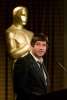
Jason Micallef: "Butter"
Directed by Jim Field Smith and starring Jennifer Garner, Ty Burrell, Olivia Wilde, Alicia Silverstone and Hugh Jackman, Butter opened theatrically in October 2012. This is Jason's Academy Nicholl entry script.
Dawn O'Leary: "Island of Brilliance"
Directed by Melissa Painter and starring Lauren Ambrose, Amy Madigan, Christopher Lloyd and John Savage, "Admissions" (its release title) premiered at the 2004 Mill Valley Film Festival. This is Dawn’s Academy Nicholl entry script.

Bragi Schut, Jr.: Season of the Witch
Directed by Dominic Sena and starring Nicolas Cage and Ron Perlman, Season of the Witch opened theatrically in January 2011. This is Bragi's Academy Nicholl entry script.
Script Formatting Guide:
There is no absolute “standard” format used by all professional screenwriters working in the American film industry. Slight variations abound in scripts written by professionals. That said, professional scripts will invariably resemble the formatting guide that follows. Nuances may vary – margins slightly different, a dash here or there, parentheticals used this way or that – but overall, professional screenplays fit these guidelines.
Realize that “shooting scripts,” the form in which scripts are most often available at libraries and elsewhere, are not the form in which most professional writers submit their scripts. Submission scripts, sales scripts, first draft scripts – all share certain characteristics: no scene numbers, few if any camera shots designated and sequences written in master scenes.
Your script does not have to mimic the following pages exactly, but it should closely resemble them. If you’re confused about which nuances are acceptable and which would push your script into an “out-of-format” category, you would do well to follow these guidelines and eliminate those questionable nuances.
Script Problems to Avoid
Can your script give a reader a negative impression before the reader starts reading?
The answer is “possibly,” and whether it does will vary from reader to reader. Does a negative first impression mean that a script will be automatically dismissed? Of course not. If a script is good enough, no minor “fault” is going to stop it. But why cause a reader to have a negative first impression of your script if you can easily avoid it?
Writers who entered scripts with one or several of these “faults” have won Academy Nicholl Fellowships. Undoubtedly, many scripts with some such “faults” have sold.
Fifteen foibles that might invoke a poor first impression (based only on a script’s title page and page one):
Art on the title page.
Typo/misspelling on the title page.
Typo/misspelling in the first scene header.
Typos/misspellings in the first sentence or paragraph or page.
Triple/double spacing of every/many line(s) on first page.
Lack of spacing between scene header and description and/or between description and dialogue and/or between dialogue and dialogue.
Use of font other than Courier 12-point, ten-pitch, non-proportional (excluding the title page).
Extensive use of bold print.
Dialogue that stretches from the left margin to the right margin.
Extra space between character name and dialogue.
Description and/or dialogue typed ALL CAPS.
Extremely narrow or extremely wide outside margins.
Long, long, long descriptive passages.
Handwritten or hand-printed script.
Other glaring, non-standard format usage.
Writers who entered scripts with one or several of these “faults” (non-Courier and lengthy description being the most obvious) have won Academy Nicholl Fellowships.
Remember, these remarks are based on subjective observation of subjective reactions. Not all readers are affected by the same “problems” when picking up a script. And if an established professional screenwriter were to have six typos on page one, would anybody care? Probably not. Until you are paid to write scripts, it’s probably more reasonable to be careful about your submissions.
Alisha Brophy & Scott Miles: United States of Fuckin' Awesome
Alisha and Scott won their Fellowship in 2014. This is their Academy Nicholl entry script.
Gabrielle Burton: "The Imperial Waltz"
Gabrielle won the Fellowship in 2000. This is Gabrielle’s Academy Nicholl entry script.
Will Chandler: Cyrano of Linden View
Will received the Fellowship in 1996. This is Will’s Academy Nicholl entry script.
Elizabeth Chomko: What They Had
Written and directed by Elizabeth Chomko (in her feature directorial debut) and starring Hilary Swank, Michael Shannon, Robert Forster, and Blythe Danner, What They Had premiered at the Sundance Film Festival and opened theatrically in October 2018.
John Ciarlo: “Bend in the River”
John won his Fellowship in 2002 with this script titled "Bend in the River." This is John's Academy Nicholl entry script.
Destin Cretton: "Short Term 12"
Directed by Destin and starring Brie Larson and John Gallagher Jr., "Short Term 12" opened theatrically on August 23, 2013. This is Destin's Academy Nicholl entry script.
Greg Dawless: “One Hour Development”
Greg received his Fellowship in 2001 after entering this script titled "One Hour Development." This is Greg's Academy Nicholl entry script.
Jodi Johnson: "Mama & Me"
Jodi was awarded her Fellowship in 1993 for her script titled "Mama & Me." This is Jodi's Academy Nicholl entry script.
Arthur M. Jolly: The Free Republic of Bobistan
Arthur won the Fellowship in 2006. This is Arthur's Academy Nicholl entry script.
Ehren Kruger: “Arlington Road”
Starring Jeff Bridges, Tim Robbins, Joan Cusack and Hope Davis, ”Arlington Road” opened theatrically on July 7, 1999. This is Ehren’s Academy Nicholl entry script.
Daniel Lawrence: "The Gaza Golem"
Daniel won his Fellowship in 2004 with "The Gaza Golem." This is Daniel's Academy Nicholl entry script.
Jason Micallef: "Butter"
Directed by Jim Field Smith and starring Jennifer Garner, Ty Burrell, Olivia Wilde, Alicia Silverstone and Hugh Jackman, Butter opened theatrically in October 2012. This is Jason's Academy Nicholl entry script.
Dawn O'Leary: "Island of Brilliance"
Directed by Melissa Painter and starring Lauren Ambrose, Amy Madigan, Christopher Lloyd and John Savage, "Admissions" (its release title) premiered at the 2004 Mill Valley Film Festival. This is Dawn’s Academy Nicholl entry script.
Bragi Schut, Jr.: Season of the Witch
Directed by Dominic Sena and starring Nicolas Cage and Ron Perlman, Season of the Witch opened theatrically in January 2011. This is Bragi's Academy Nicholl entry script.
Script Formatting Guide:
There is no absolute “standard” format used by all professional screenwriters working in the American film industry. Slight variations abound in scripts written by professionals. That said, professional scripts will invariably resemble the formatting guide that follows. Nuances may vary – margins slightly different, a dash here or there, parentheticals used this way or that – but overall, professional screenplays fit these guidelines.
Realize that “shooting scripts,” the form in which scripts are most often available at libraries and elsewhere, are not the form in which most professional writers submit their scripts. Submission scripts, sales scripts, first draft scripts – all share certain characteristics: no scene numbers, few if any camera shots designated and sequences written in master scenes.
Your script does not have to mimic the following pages exactly, but it should closely resemble them. If you’re confused about which nuances are acceptable and which would push your script into an “out-of-format” category, you would do well to follow these guidelines and eliminate those questionable nuances.
Script Problems to Avoid
Can your script give a reader a negative impression before the reader starts reading?
The answer is “possibly,” and whether it does will vary from reader to reader. Does a negative first impression mean that a script will be automatically dismissed? Of course not. If a script is good enough, no minor “fault” is going to stop it. But why cause a reader to have a negative first impression of your script if you can easily avoid it?
Writers who entered scripts with one or several of these “faults” have won Academy Nicholl Fellowships. Undoubtedly, many scripts with some such “faults” have sold.
Fifteen foibles that might invoke a poor first impression (based only on a script’s title page and page one):
Art on the title page.
Typo/misspelling on the title page.
Typo/misspelling in the first scene header.
Typos/misspellings in the first sentence or paragraph or page.
Triple/double spacing of every/many line(s) on first page.
Lack of spacing between scene header and description and/or between description and dialogue and/or between dialogue and dialogue.
Use of font other than Courier 12-point, ten-pitch, non-proportional (excluding the title page).
Extensive use of bold print.
Dialogue that stretches from the left margin to the right margin.
Extra space between character name and dialogue.
Description and/or dialogue typed ALL CAPS.
Extremely narrow or extremely wide outside margins.
Long, long, long descriptive passages.
Handwritten or hand-printed script.
Other glaring, non-standard format usage.
Writers who entered scripts with one or several of these “faults” (non-Courier and lengthy description being the most obvious) have won Academy Nicholl Fellowships.
Remember, these remarks are based on subjective observation of subjective reactions. Not all readers are affected by the same “problems” when picking up a script. And if an established professional screenwriter were to have six typos on page one, would anybody care? Probably not. Until you are paid to write scripts, it’s probably more reasonable to be careful about your submissions.